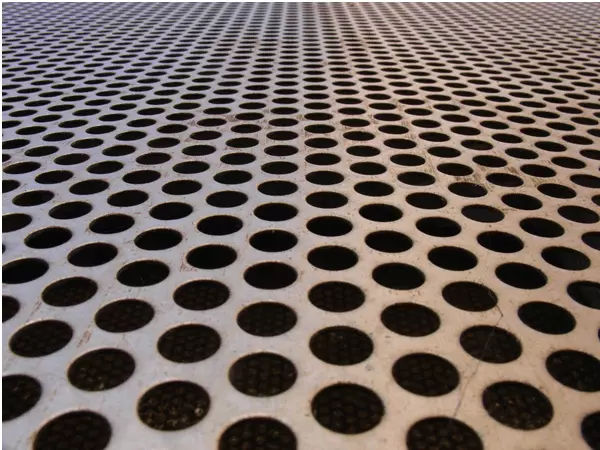
Walk past a new building today, and you might notice something different; The facade breathes, light slips through metal and shadows move during the day.
That is not a design accident; it is the rise of customised perforated sheets, quietly changing how buildings look, feel, and perform.
The optimal applications of perforated sheets, the reasons architects continue to request them, and their usage in 2026 on exteriors, screens, and interiors are all detailed in this book.
The pressure is on buildings as they have to appear good, conserve energy, age gracefully and be remarkable. Custom perforated metal solves many of these problems in one move.
Here is why demand keeps growing:
Perforated sheets sit right at this intersection; Functional, visual and flexible.
Sun control and heat reduction
One of the most common uses is facade shading. Perforated aluminium panels reduce direct sun while letting air and soft light pass through.
Real impact:
Many commercial buildings now use perforated facades as a second skin. The outer layer handles heat. The inner wall stays cooler.
Custom patterns turn facades into a signature. Logos, cultural motifs, or abstract forms can be cut directly into the metal.
Airports, museums, and corporate offices use this to stand out without loud colors or heavy materials.
A case study often referenced in architecture forums is a civic building in the Middle East using geometric perforations inspired by local art. The pattern filtered the desert light and became a landmark.
Perforated sheets support rainscreen systems. Water drains away, air circulates, and the wall behind stays protected.
This makes them useful in:
People want privacy, but they also want light and breeze. Perforated screens hit the middle ground.
Benefits include:
Designers often adjust hole size and spacing to control visibility. Closer holes near seating areas, wider spacing higher up. These are small details, but a comfort upgrade is big.
Parking structures are rarely loved. Perforated metal helps hide cars and equipment while meeting airflow and fire safety rules.
It also:
This is one reason city councils approve perforated solutions faster than solid cladding.
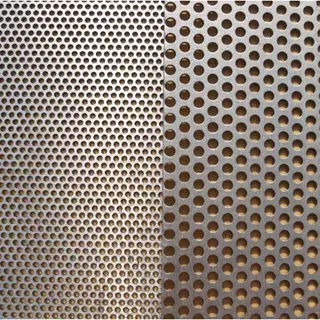
Inside buildings, perforated sheets add texture without weight. They work well in offices, hotels, and retail spaces.
Common uses:
Light passes through, spaces feel open. The metal adds a modern edge without shouting.
When backed with acoustic fabric, perforated panels help absorb sound.
This is popular in:
You get noise control and design in one layer. No bulky panels and no ugly foam.
Designers love using perforated sheets for safety elements that still look light.
Examples include:
These details often become the most photographed part of the space.
Off-the-shelf panels are fine, but custom panels are better.
Customisation allows control over:
This lets architects tune performance because more airflow here, more privacy there and better shade on west-facing walls.
From experience, the best results come when perforation design is discussed early, not added at the end.
Looking, three trends stand out:
If you are planning a facade, screen, or interior upgrade, now is the time to think beyond solid surfaces.
To explore tailored solutions and real project support, speak with Dinco Aluminium and see how custom perforated sheets can work for your next build.
What would you change in your current space if light and airflow were no longer a compromise?
With multiple warehouse locations in Abu Dhbai, Dubai & Sharjah, we ensure speedy deliveries to our customers all across the uae
